
How to Tell if a Diamond is Real: Quick Tricks for Instant Verification
August 5th, 2026
Buying or inheriting a diamond is exciting, but it's also natural to wonder whether the stone is genuine. With so many diamond alternatives available today, many people look for simple ways to determine authenticity before seeking professional guidance. While no home method can provide absolute certainty, learning how to tell if a diamond is real can help you identify obvious imitations and better understand what makes natural diamonds so special. At Rogers Jewelry Co., we've spent generations helping customers choose exceptional diamonds with confidence, and we're sharing practical insights to help you evaluate your jewelry more knowledgeably.
Understanding Diamonds
A real diamond is formed under extraordinary heat and pressure deep within the Earth, creating one of nature's hardest and most brilliant gemstones. Lab-grown diamonds share the same chemical, physical, and optical properties as natural diamonds, while simulants such as cubic zirconia and moissanite only resemble diamonds in appearance. Knowing the difference is the first step toward understanding a stone's true value.
Professional jewelers also evaluate diamonds using the diamond grading scale, commonly known as the Four Cs: cut, color, clarity, and carat weight. These internationally recognized standards measure a diamond's quality, beauty, and rarity. While grading doesn't determine whether a diamond is natural or lab-grown, it helps establish its overall value and provides buyers with greater confidence when comparing stones.
10 Ways to Tell if a Diamond Is Real at Home
Although professional testing remains the most reliable option, several simple observations may help you determine whether a stone deserves closer examination. These methods should be viewed as helpful indicators rather than definitive proof.
1. Observe How the Diamond Reflects Light
One of the easiest ways to evaluate a stone is by examining how it handles light. Real diamonds reflect white light and colorful flashes simultaneously, creating exceptional brilliance and fire. If the stone appears unusually dull or displays excessive rainbow colors without bright white reflections, it may be a simulant rather than a genuine diamond.
2. Try the Fog Test
If you're wondering how to tell if a diamond is real at home, the fog test is one of the simplest methods. Breathe gently onto the stone as though you're fogging a mirror. Because diamonds disperse heat quickly, the condensation should disappear almost instantly. If the fog lingers for several seconds, the stone may be made from another material.
3. Place the Stone in Water
A loose diamond can be placed into a clear glass of water. Due to its high density, a genuine diamond typically sinks straight to the bottom. While some imitations may also sink, lightweight materials are more likely to float or descend more slowly. This test alone isn't conclusive but can provide another helpful clue.
4. Perform the Read-Through Test
Place a loose diamond upside down on printed text. Because diamonds bend light so intensely, you generally shouldn't be able to read the letters through the stone. If the text remains clearly visible, you're likely looking at a material with different optical properties.
5. Inspect the Setting Carefully
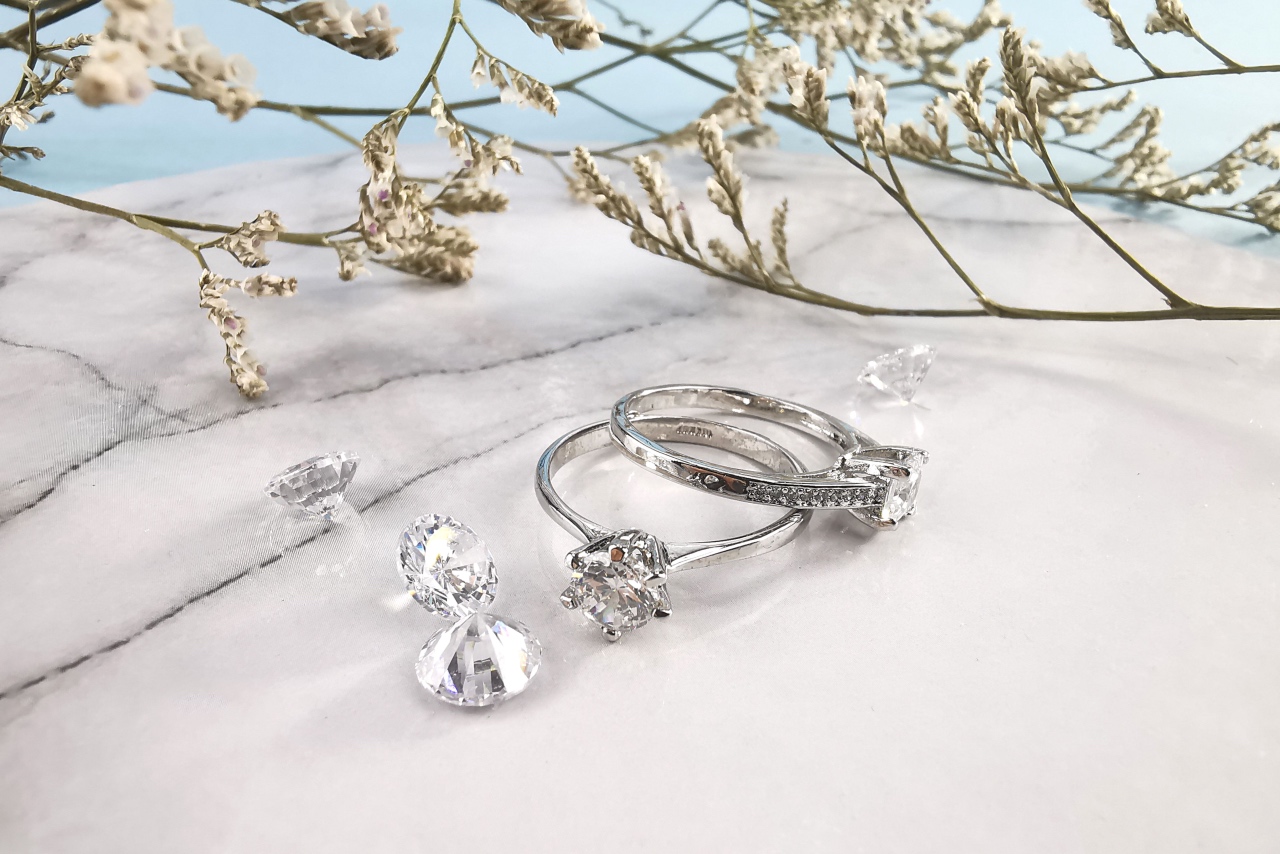
If you're trying to determine whether a diamond ring is real, don't overlook the mounting. Genuine diamonds are often set in high-quality metals such as platinum, white gold, yellow gold, or rose gold. Look inside the band for stamps indicating precious metal purity, such as 14K, 18K, or PT. While settings alone don't guarantee authenticity, fine diamonds are rarely mounted in inexpensive metals.
6. Examine the Stone with Magnification
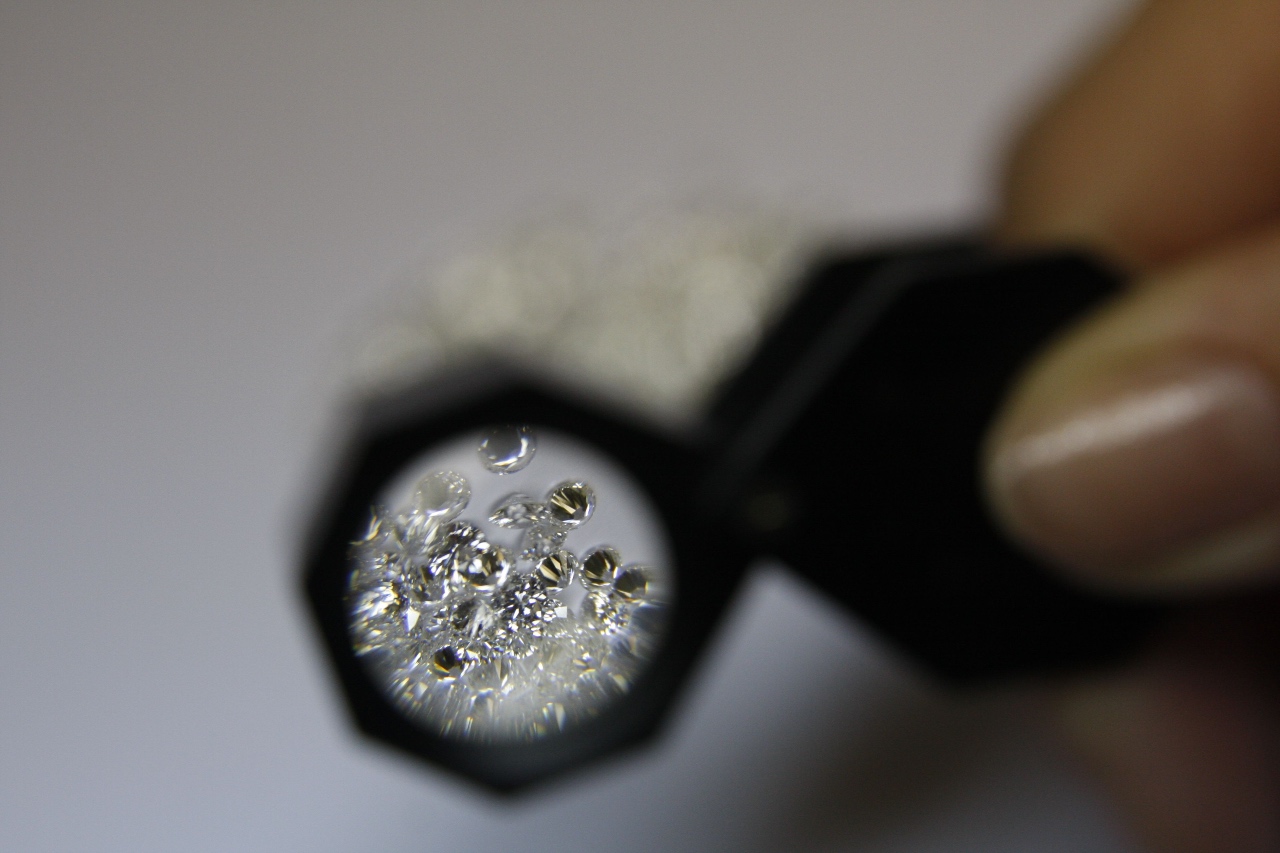
Using a jeweler's loupe or strong magnifying glass may reveal tiny natural inclusions or slight surface characteristics. Many real diamonds contain microscopic internal features created during their formation. Perfectly flawless stones are extremely rare, although lab-grown diamonds and high-quality simulants can also appear exceptionally clean.
7. Use the Mirror Test
Some people also use a mirror to compare the quality of the reflection. A real diamond generally produces sharper reflections because of its exceptional hardness and optical properties. Although this isn't a scientific test, noticeable differences between known diamonds and suspected simulants may provide additional insight.
8. Compare the Weight
Cubic zirconia is significantly heavier than a diamond of the same size. If you have access to a precision jewelry scale and a similar diamond for comparison, an unusually heavy stone could indicate a simulant. This method works best when comparing stones with nearly identical dimensions.
9. Look for Signs of Wear
Diamonds are the hardest natural material known, making them highly resistant to scratches. Softer simulants may develop worn edges, surface abrasions, or cloudy areas after years of regular wear. While even genuine diamonds can accumulate dirt or minor chips, excessive scratching may suggest another gemstone altogether.
10. Learn to Recognize Common Diamond Simulants
Understanding common alternatives is another useful way to evaluate a stone. Cubic zirconia often displays more rainbow-colored flashes and may lose brilliance over time. Moissanite closely resembles diamond but produces more vivid color reflections under certain lighting conditions. Learning these visual differences can help you tell whether a diamond is real or fake, though professional testing remains the only reliable way to confirm authenticity.
Even after trying several of these methods, it's important to remember that no single home test can provide a definitive answer. Modern simulants have become increasingly sophisticated, and even experienced collectors can be fooled without specialized equipment. If you're still unsure whether a diamond is real, the best next step is to have the stone professionally examined by an experienced jeweler.
Explore Real Diamonds with Rogers Jewelry Co.
When you want complete confidence in your diamond purchase, professional guidance makes all the difference. Since 1937, Rogers Jewelry Co. has helped customers find exceptional diamonds with expert advice and personalized service. Visit our California superstores in Modesto, Elk Grove, Folsom, Fresno, Bakersfield, and San Luis Obispo, or our Reno, Nevada showroom to explore one of the region's largest selections of fine diamonds and engagement rings. Browse our Rogers Real Diamonds collection to discover carefully selected natural diamonds known for their exceptional beauty and lasting value. If you're interested in another option, learn more about our lab-grown diamonds, which offer the same beauty with outstanding value. When you're ready to begin your search, view our engagement rings to find timeless styles for every taste and budget. If you're looking for something one-of-a-kind, our custom design specialists can bring your vision to life. Visit Rogers Jewelry Co. to learn more about our collections and services, or contact our experienced team for personalized assistance. While knowing how to tell if a diamond is real is helpful, a professional evaluation remains the most reliable way to confirm authenticity and make a purchase with confidence.